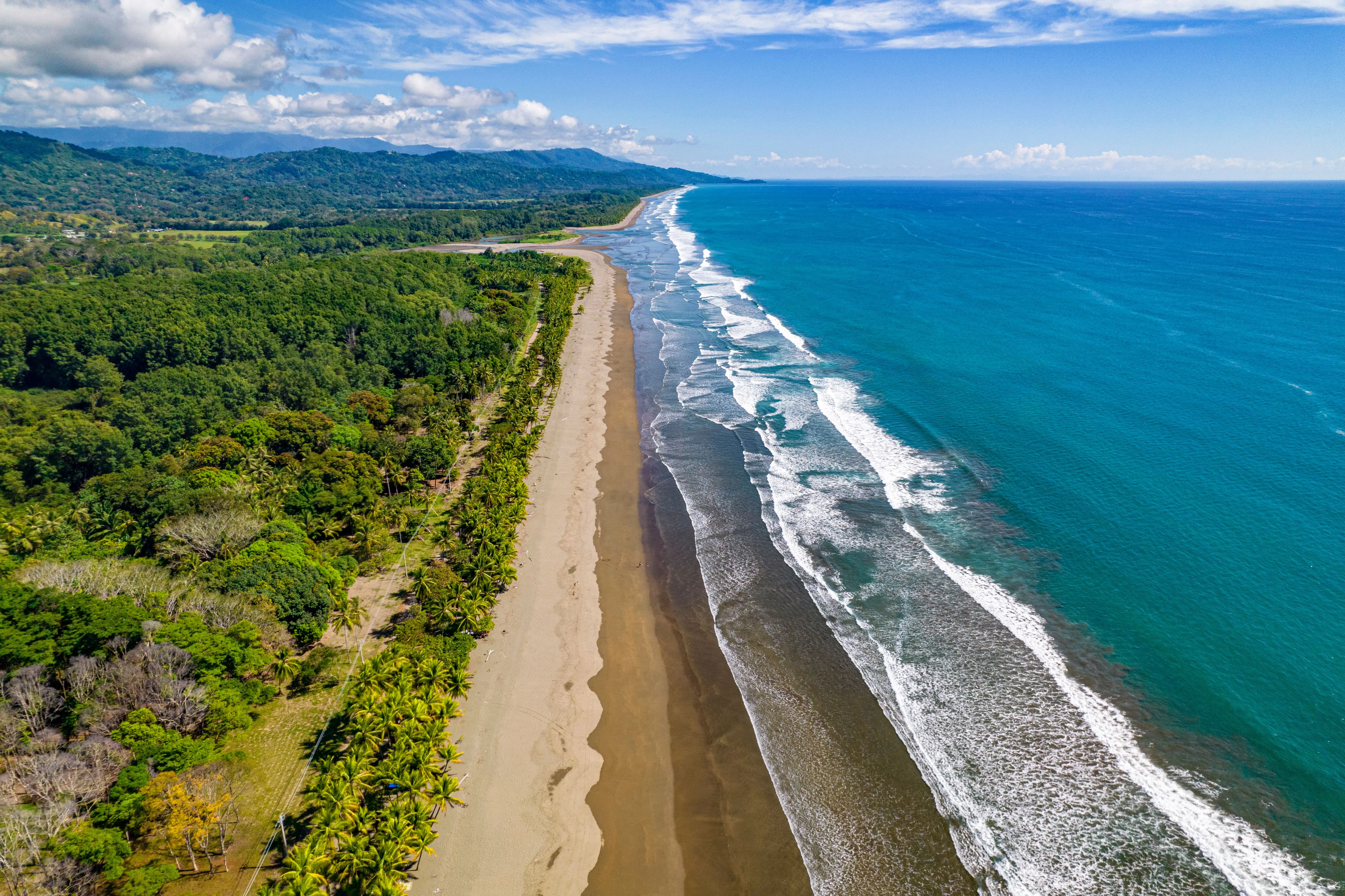
Planning an unforgettable eco-adventure or tropical vacation to Costa Rica in 2026? Whether you are exploring the vibrant capital of San José, hiking around the majestic Arenal Volcano, zip-lining through the Monteverde Cloud Forest, or spotting wildlife at Manuel Antonio National Park, keeping your smartphone connected to high-speed data is absolutely essential. You will need reliable internet to look up local shuttle routes, navigate winding rainforest roads on Google Maps, translate phrases, and share your Pura Vida moments live with family.
However, if you think buying a physical prepaid SIM card upon landing at Juan Santamaría International Airport (SJO) in San José or Daniel Oduber Quirós International Airport (LIR) in Liberia is a smart choice, you are heading straight into a frustrating tourist money trap. Airport wireless kiosks charge heavily inflated prices for tourist packages. Furthermore, local regulations require strict passport verification and manual data logging before registration, meaning you can easily waste the first hour of your vacation standing in crowded lines.
Worse yet, relying on your US or Canadian carrier’s daily international pass (like AT&T, Verizon, or Rogers) will drain a painful $10 to $12 per day from your wallet, heavily inflating your final travel statement.
The absolute smartest and most affordable alternative for international tourists today is a dedicated Costa Rica travel eSIM. Here is your raw, honest guide to choosing the best data plan for your holiday without getting scammed.
Which Costa Rican Cellular Network is Best for Tourists?
Costa Rica has solid mobile network infrastructure around major towns, but signal density can fluctuate heavily when you head deep into dense rainforests, national parks, or remote surf beaches. The country's cellular market is dominated by three main operators: Liberty (formerly Movistar), Claro Costa Rica, and kolbi (the state-owned network). When you purchase a digital plan from MastereSIM.com, your device automatically unlocks access to these premium networks. Here is how they stack up for travelers:
- kolbi: The undisputed king of geographic coverage in Costa Rica. Because it is backed by the state, kolbi owns the most expansive network tower layout in rural regions, mountainous volcanic parks, and remote coastal areas. If your itinerary involves eco-trekking or driving into deep valleys, holding a connection through kolbi’s infrastructure is a massive advantage.
- Liberty & Claro: Exceptional 5G and LTE download speeds inside major urban tourist centers, high-end resort zones, and metropolitan hotspots like Downtown San José and popular beach towns.
The core advantage of using MastereSIM is intelligent network versatility. Instead of being locked into just one local provider, your travel eSIM profile is programmed to scan the tropical skyline and automatically jump to whichever local network tower has the strongest 5G or LTE signal near you at that exact minute, preventing any dropped connections.
Cost Analysis: Costa Rica Airport Kiosks vs. MastereSIM
Let’s look at the cold, hard numbers for a standard 10-day vacation across Costa Rica using 10GB of high-speed data:
- Airport Physical SIM Cards: Around $40 - $55 USD upfront (often packed with local voice minutes tourists never use, plus the heavy passport registration lines).
- Home Carrier International Daily Passes: $12/day x 10 days = $120 total + hidden network roaming taxes.
- MastereSIM Packages: High-speed, contract-free digital plans start from just a fraction of carrier costs, dropping your expenses down significantly and letting you pay only for the exact data size your holiday requires.
By purchasing and configuring your digital profile on MastereSIM.com before you board your flight, you keep over $100 in your pocket. That is extra cash you can spend on guided jungle tours, white-water rafting, or premium beachfront dinners during your vacation.
Crucial Compatibility Check Before Traveling
Before you buy your Costa Rica data bundle, you must ensure your smartphone is technically capable of supporting a digital profile.
If you purchased your smartphone on an installment plan from a Western carrier, your device might be legally locked. You can learn how to check your device configurations and resolve carrier roadblocks by reading our complete guide on: https://masteresim.com
Additionally, if your travel profile encounters any activation delays upon landing at the terminal, do not delete the digital configuration line. Instead, read our urgent checklist for troubleshooting: https://masteresim.com
Setup Checklist for Your Costa Rican Vacation
To guarantee your home carrier doesn't sneakily add unexpected roaming fees to your next monthly statement, apply this exact device configuration checklist before departure:
- Order your Costa Rica data plan on MastereSIM.com while still at home on your home Wi-Fi.
- Open your email, scan the provided QR code into your device's cellular settings, and name the new line "Costa Rica Travel Data".
- Keep your primary home SIM card turned ON so you can still receive incoming security verification codes (2FA) from your bank, but switch OFF "Cellular Data Switching."
- Set your "Costa Rica Travel Data" eSIM as the exclusive default line for all mobile cellular data usage.
- Turn ON "Data Roaming" ONLY for the travel eSIM profile.
The exact second your flight lands on Costa Rican soil, disable airplane mode. Your smartphone will instantly latch onto the fastest local network, putting you online immediately so you can text your transport driver, navigate immigration, or pull up your hotel vouchers smoothly.
Don’t let expensive carrier monopolies ruin your travel budget. Go to MastereSIM.com, pick your high-speed Costa Rica eSIM plan, and explore the beautiful country connected.